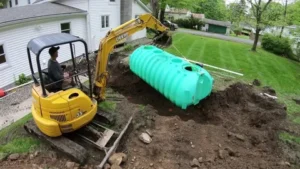
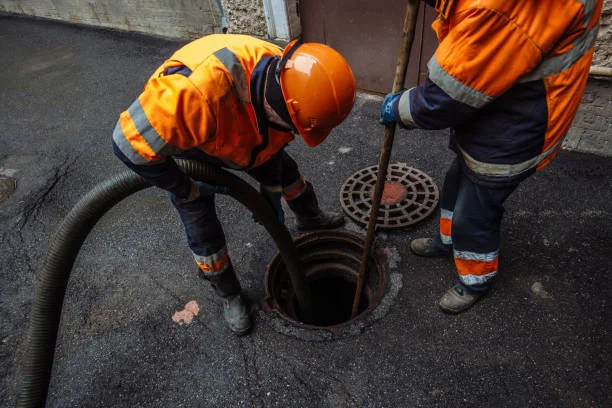
Property projects often depend on what happens beneath the finished surface. Before a driveway, building, foundation, drainage system, or landscape feature can be completed, the land may need to be cleared, shaped, leveled, or prepared. Uneven ground, poor drainage, unstable soil, and inadequate preparation can create challenges later if they are not addressed during the early stages. IP Construction Excavation provides Dirt Work Services for property owners and construction projects that require practical ground preparation and earthwork.
Good dirt work is about more than moving soil from one location to another. The project needs to account for the existing terrain, intended use of the property, drainage requirements, access, soil conditions, and the work that will follow. Property owners considering professional land grading can benefit from having the ground shaped according to the project’s requirements. For projects in , construction site preparation can provide an important starting point before additional construction activities begin.
Preparing Land for Construction
Construction projects require a suitable surface before foundations, structures, driveways, utilities, or other improvements can be installed. The existing property may contain uneven areas, excess soil, slopes, vegetation, or other conditions that need to be addressed before construction can progress.
Dirt Work Services can help prepare the property according to the planned project. The scope of work depends on the site’s condition and intended use. Proper preparation can create a more workable surface while helping organize the next stages of construction.
Evaluating Existing Ground Conditions
Before earthwork begins, understanding the existing property can help determine what type of work is needed. Different sites can have different elevations, soil conditions, and drainage characteristics.
- Existing slopes can be evaluated before grading begins.
- Low or uneven areas can be identified during site preparation.
- Soil conditions can influence the approach to excavation and grading.
Creating a Practical Work Surface
A construction site needs enough usable space for equipment, workers, materials, and future construction activities. Preparing the ground can make the property more suitable for these requirements.
- Uneven areas can be shaped according to project needs.
- Excess material can be moved from areas where it interferes with construction.
- Prepared ground can provide a more workable foundation for subsequent activities.
Improving Land Grading and Drainage
Water management is closely connected to grading. When land does not have an appropriate slope, rainwater can collect in low areas or move toward locations where it may cause problems. Proper grading can help direct surface water toward suitable drainage areas.
For property owners seeking professional land grading in, grading should be considered in relation to the entire property rather than as an isolated task. The desired slope depends on the intended use of the land and surrounding features.
Creating Appropriate Slopes
Grading changes the elevation and slope of the ground. The objective is to shape the land so it works with the project’s intended drainage and construction requirements.
- Slopes can help guide surface water away from selected areas.
- Low spots can be addressed during grading work.
- Finished elevations can be planned around structures and other improvements.
Reducing Standing Water Concerns
Poorly graded land may allow water to collect after rainfall. Addressing low areas during preparation can improve how water moves across the property.
- Drainage patterns can be considered before final grading.
- Low areas can be filled or reshaped when appropriate.
- Grading can work alongside planned drainage improvements.
Supporting Construction Site Preparation
Before construction begins, a property may need substantial preparation. Clearing unsuitable material, shaping the land, creating access areas, and preparing construction zones can all be part of getting a site ready for the next phase.
Construction site preparation can help establish a more organized starting point for residential or commercial projects. Early planning allows earthwork to be coordinated with the project’s intended layout and construction sequence.
Preparing Construction Areas
Different portions of a property may have different preparation requirements. Building locations, access routes, material storage areas, and other spaces can all influence the work.
- Building areas can be prepared according to planned elevations.
- Access areas can be considered when organizing the site.
- Work zones can be shaped to support upcoming construction activities.
Coordinating Earthwork With Construction
Dirt work often occurs before other construction activities, making coordination important. The prepared site should support the work that follows.
- Grading can be planned around foundation requirements.
- Excavation can be coordinated with planned construction locations.
- Site preparation can account for future access and material movement.
Managing Excavation and Soil Movement
Excavation is another important part of many property projects. Soil may need to be removed to create space for foundations, drainage systems, utilities, driveways, or other improvements. The amount and location of excavation depend on the project design and existing terrain.
Professional excavation services can help property owners address ground removal as part of a broader dirt work plan. Soil movement should be organized carefully so material is placed where it will be useful or removed when it is not needed.
Removing Soil Where Required
Excavation changes the existing ground to create space for planned improvements. Accurate work helps maintain the intended depth and location.
- Soil can be removed from designated construction areas.
- Excavated areas can be shaped according to project requirements.
- Existing ground conditions can be considered before excavation begins.
Managing Moved Material
Excavation can produce significant amounts of soil. Managing that material efficiently helps keep the property organized during construction.
- Usable soil may be moved to areas where grading requires additional material.
- Excess material can be managed according to project requirements.
- Equipment access should be considered during soil movement.
Preparing Properties for Driveways and Access Areas
Driveways and access routes need suitable ground conditions before base materials and finished surfaces can be installed. Uneven ground or inadequate preparation can create challenges for later work.
Dirt work can help establish the required elevations and shape the ground for planned access areas. The preparation process should consider drainage, slope, vehicle movement, and the materials that will be installed afterward.
Shaping Driveway Areas
Driveway preparation involves more than simply creating a flat surface. The ground needs to support the intended traffic while fitting the surrounding property.
- Elevations can be planned around the property’s existing terrain.
- Slopes can be considered for surface-water movement.
- Ground preparation can support subsequent driveway construction.
Improving Site Access
Construction equipment and vehicles need reliable access to active work areas. Preparing access routes can make it easier to move materials and equipment around the property.
- Temporary access routes can be considered during construction planning.
- Ground conditions can be evaluated before heavy equipment enters an area.
- Site access can be coordinated with the overall construction sequence.
Supporting Residential and Commercial Projects
Dirt work can be required for many different types of property improvements. Residential construction, commercial development, additions, driveways, drainage projects, and other improvements can all require some form of ground preparation.
The scope of work should reflect the specific property rather than relying on the same approach for every project. Residential sites may have limited working space, while commercial properties may require larger areas of preparation and equipment access.
Planning Residential Dirt Work
Residential projects often require careful coordination because homes, landscaping, driveways, and existing structures may already occupy portions of the property.
- Work areas can be planned around existing structures.
- Grading can be coordinated with drainage requirements.
- Access can be considered to reduce disruption to the property.
Supporting Commercial Development
Commercial projects can involve larger sites and more extensive preparation. Groundwork may need to support several future improvements at once.
- Large areas can be evaluated for grading requirements.
- Construction access can be incorporated into site planning.
- Earthwork can be coordinated with future development stages.
Addressing Ground Preparation Before Landscaping
Landscaping projects can also benefit from properly prepared ground. New lawns, planting areas, retaining features, walkways, and other improvements may require soil to be shaped or redistributed before installation.
Proper grading can help establish the desired appearance while also considering how water moves through the property. The preparation stage can therefore connect visual landscaping goals with practical drainage needs.
Shaping Landscape Areas
Landscape areas may need different elevations and contours depending on the desired design.
- Soil can be moved to create planned contours.
- Low areas can be adjusted when appropriate.
- Finished grades can be coordinated with surrounding features.
Preparing for Future Improvements
Ground preparation can provide a better starting point for future landscape construction.
- Planting areas can be shaped before installation.
- Walkways can be considered during grading.
- Drainage requirements can be incorporated into the preparation process.
Maintaining Better Ground Conditions
Ground conditions can change over time because of rainfall, erosion, construction activity, and natural settling. Property owners may eventually notice uneven areas, drainage concerns, or soil movement that requires attention.
Routine observation can help identify changes before they interfere with planned improvements. When ground conditions become a concern, professional assessment can help determine whether additional grading, excavation, or other dirt work is appropriate.
Watching for Uneven Areas
Changes in elevation can become noticeable around driveways, yards, construction areas, and drainage paths.
- Depressions can be monitored after significant rainfall.
- Erosion can be identified along exposed slopes.
- Uneven areas can be evaluated before they affect other improvements.
Considering Drainage Changes
Drainage patterns can change when landscaping, construction, or grading modifies the property. New improvements should therefore be considered alongside existing water movement.
- Water flow can be observed around structures and low areas.
- Drainage concerns can be addressed during future grading work.
- Property improvements can be planned with surface-water movement in mind.
Choosing Professional Dirt Work Services
Selecting a contractor for earthwork requires attention to the property’s condition and the intended project. Dirt work can involve heavy equipment, excavation, grading, soil movement, and site preparation, making proper planning important.
IP Construction Excavation And Trucking serves property and construction needs involving excavation and ground work. A professional approach can help organize the sequence of work and prepare the site for whatever construction or improvement comes next.
Planning the Scope of Work
The project should begin with a clear understanding of what needs to be changed. This helps determine the appropriate equipment, work sequence, and preparation requirements.
- Existing terrain can be considered before work begins.
- Planned structures and improvements can guide grading decisions.
- Soil movement can be organized around the project’s needs.
Preparing for the Next Construction Stage
Dirt work is often the first physical stage of a larger property project. The finished ground should therefore support the work that follows.
- Prepared elevations can support future construction.
- Access areas can remain usable for equipment and materials.
- Drainage considerations can be incorporated before final improvements begin.
Conclusion
Professional Dirt Work Services can provide an important foundation for construction, grading, excavation, drainage, driveways, landscaping, and other property improvements. Preparing land correctly requires attention to existing terrain, soil conditions, elevations, water movement, access, and the requirements of the future project. When these factors are considered early, property owners can establish a more practical starting point for subsequent construction and improvement work. IP Construction Excavation And Trucking provides earthwork and excavation support for projects that require organized ground preparation.
Property owners looking for Trusted Dirt Work Companies consider how existing elevations, drainage patterns, and planned improvements should influence the grading approach. For projects requiring construction site preparation , early ground planning can help create suitable working areas and coordinate excavation, access, and future construction needs. Whether the project involves residential improvements, commercial development, driveways, landscaping, or new construction, properly planned dirt work can help prepare the property for the stages that follow.
FAQs
What are Dirt Work Services?
Dirt Work Services involve preparing and changing existing ground conditions through activities such as grading, excavation, soil movement, and site preparation.
Why is land grading important?
Land grading can help establish appropriate elevations and slopes while supporting planned drainage, construction, driveway, and landscaping requirements.
What is included in construction site preparation?
Depending on the project, construction site preparation may involve grading, excavation, soil movement, access preparation, and creating workable areas for upcoming construction.
Can dirt work help with drainage?
Yes. Proper grading can influence how surface water moves across a property and can help reduce water collection in unsuitable low areas.
When should dirt work be completed?
Dirt work is commonly completed during the early stages of a project, before foundations, driveways, landscaping, or other improvements that depend on properly prepared ground.