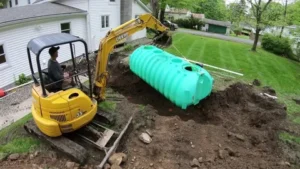
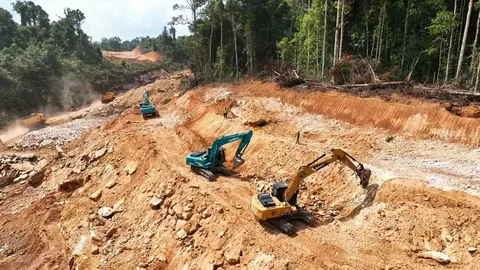
Learn how High Mountain Excavation supports excavation and septic projects with planning, site preparation, drainage, and practical property guidance in Forsyth, MT.
Excavation work affects more than the ground visible from the surface. Site conditions, soil composition, drainage, grading, utility locations, and septic requirements can all influence how a project should be planned. IP Construction Excavation helps property owners understand the practical considerations involved in excavation and septic installation. When people search for High Mountain Excavation, they may be looking for information about preparing land, creating suitable excavation areas, or handling property improvements that require careful ground work.
Excavation can support foundations, driveways, drainage systems, utility work, land clearing, and septic installations. Each project requires an approach based on the property’s terrain and intended use.
For property owners in Forsyth, MT and Belfry, MT, understanding excavation planning, septic preparation, soil conditions, and common mistakes can help make construction projects more organized.
What Does Excavation Work Involve?
Excavation involves moving, removing, or shaping soil and other materials to prepare land for a specific purpose. The work can range from smaller residential projects to larger construction and site development tasks.
Common excavation applications include:
- Foundation preparation
- Septic system excavation
- Driveway preparation
- Utility trenching
- Drainage work
- Land grading
- Site preparation
- Removal of unsuitable soil
The required equipment and methods depend on the size of the project, terrain, soil, and access to the work area.
Understanding High Mountain Excavation
How High Mountain Excavation in Forsyth, MT Supports Site Preparation
High Mountain Excavation in Forsyth, MT requires careful attention to the property’s existing conditions. Before excavation begins, the site should be evaluated to understand elevation changes, access points, drainage patterns, and the location of existing utilities.
A typical excavation process may include several stages.
Site Assessment
The first step involves reviewing the property and identifying conditions that may affect the work.
Important considerations include:
- Terrain and slope
- Soil conditions
- Existing drainage
- Access for equipment
- Utility locations
- Planned structures
- Required excavation depth
A clear assessment helps establish a practical work plan.
Marking and Preparation
Before digging, the work area needs appropriate preparation. Existing utilities and property features should be considered before excavation begins.
Preparation may involve:
- Marking work areas
- Establishing access routes
- Clearing obstacles
- Planning equipment movement
- Identifying material removal areas
Good preparation can reduce avoidable delays during excavation.
Excavation and Grading
Once the site is ready, excavation equipment can remove or relocate soil according to the project requirements.
Grading may also be necessary to establish suitable elevations and drainage patterns.
The finished grade should support the intended use of the property rather than simply create a level surface.
Excavation for Septic Installation
Septic systems require careful planning because the system depends on both the property layout and soil conditions.
Excavation for septic installation may involve preparing areas for:
- Septic tanks
- Distribution components
- Drain fields
- Connecting pipes
- Access points
The excavation depth and layout should follow the approved septic design and applicable requirements.
Property owners should understand that septic work involves more than digging a tank hole. Soil, drainage, system location, access, and site conditions all influence the project.
Excavation Contractor Considerations
When selecting an excavation contractor, property owners should consider more than equipment availability.
Useful questions include:
- Does the contractor understand the project’s site requirements?
- How will equipment access the property?
- How will excavated material be handled?
- What information is needed before digging?
- How will drainage and grading be addressed?
- Does the project involve septic or utility requirements?
Clear communication helps everyone understand the expected scope of work.
Excavation in Belfry, MT
Property owners considering an excavation contractor in Belfry, MT should account for local site conditions when planning excavation and septic projects.
Terrain, soil conditions, drainage, weather, and property access can affect how equipment reaches the work area and how excavation proceeds.
Before work begins, property owners can review:
- The planned excavation location
- Equipment access
- Soil and drainage concerns
- Septic system requirements
- Material removal needs
- Final grading requirements
Planning these details early can make the work easier to coordinate.
Common Excavation Mistakes
Starting Without Understanding the Site
Excavation should begin with an understanding of terrain, soil, drainage, utilities, and the intended use of the area.
Ignoring Drainage
Moving soil can change how water travels across a property. Poor grading may create standing water or direct runoff toward structures.
Failing to Plan Equipment Access
Large excavation equipment needs sufficient space to enter, operate, and leave the property.
Digging Without Utility Information
Underground utilities can create serious problems when their locations are not identified before excavation.
Removing Soil Without a Plan
Excavated material needs to be handled appropriately. Without a disposal or reuse plan, excess soil can create additional site challenges.
Best Practices for Excavation Projects
Property owners can improve project planning by:
- Reviewing the property before work begins
- Confirming utility locations
- Understanding septic requirements
- Planning equipment access
- Considering drainage
- Establishing final grade requirements
- Communicating project goals clearly
These steps help create a more organized excavation process.
Actionable Tips Before Excavation
Before scheduling excavation work, property owners should:
- Identify the purpose of the excavation.
- Confirm the planned work area.
- Review available site plans.
- Check for underground utilities.
- Discuss soil and drainage concerns.
- Plan access for excavation equipment.
- Determine how excavated material will be handled.
- Confirm the required final grade.
For septic projects, property owners should also understand the approved system design and applicable installation requirements.
Factors That Affect Excavation Results
Several factors can influence excavation work:
- Soil composition
- Property slope
- Weather conditions
- Equipment access
- Excavation depth
- Drainage
- Existing utilities
- Project size
- Septic system design
Understanding these conditions helps property owners establish realistic expectations before work begins.
Conclusion
Excavation provides the foundation for many property improvements, but successful work requires careful planning around soil, drainage, access, utilities, grading, and the intended use of the site. High Mountain Excavation can involve much more than moving dirt, particularly when excavation supports septic installation or other construction requirements.
For property owners in Forsyth, MT and Belfry, MT, understanding the role of an excavation contractor and a Local excavation company can help them prepare for site work more effectively. IP Construction Excavation helps property owners approach excavation and septic projects with practical attention to site conditions, preparation, equipment access, and project requirements.
FAQ
What is High Mountain Excavation?
High Mountain Excavation refers to excavation work involving site preparation, soil removal or relocation, grading, trenching, and other ground work needed for construction or property improvements.
What does an excavation contractor do?
An excavation contractor prepares and modifies land for projects such as foundations, septic systems, driveways, drainage, utilities, and other construction work.
What should I consider before septic excavation?
Consider the approved septic design, soil conditions, system location, access for equipment, excavation requirements, drainage, and applicable local requirements.
Why is drainage important during excavation?
Excavation and grading can change how water moves across a property. Proper planning helps direct water away from structures and reduces unwanted standing water.
How do I prepare my property for excavation?
Confirm utility locations, clear the planned work area, establish equipment access, review site plans, discuss soil conditions, and determine how excavated material will be handled.