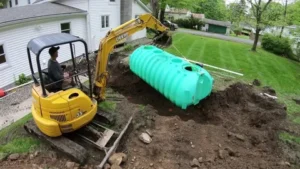
A failed septic system can quickly become a stressful problem for any property owner. Slow drains, standing water, unusual odors, or repeated backups often point to deeper issues below the surface. Proper excavation is one of the most important steps in creating a reliable wastewater system.
IP Construction shares industry experience from working around Montana properties where soil conditions, terrain, and weather patterns can affect excavation projects. A properly planned Septic Excavation Installation process helps prepare the ground, protect the system components, and reduce future repair concerns.
What This Service Is and Why Proper Excavation Matters
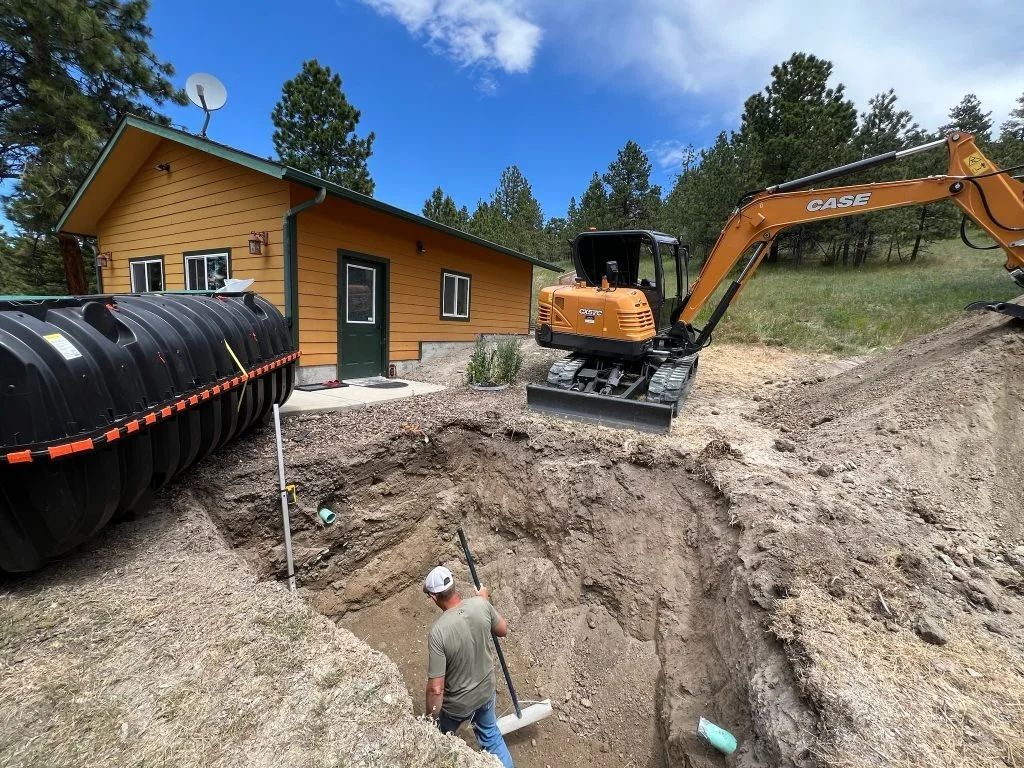
Septic excavation involves preparing the land for septic tanks, drain fields, connecting pipes, and related underground components. The process requires careful digging, accurate measurements, soil evaluation, and attention to drainage patterns before installation begins.
Many property owners think excavation is only about removing dirt, but the work requires much more planning. Equipment operators must consider underground utilities, slope conditions, soil composition, and the location of the future septic system.
A proper septic system installation service starts with a well-prepared excavation area. If the excavation work is rushed or performed without understanding the property layout, problems may develop later, including drainage issues, damaged pipes, or system failures.
In Belfry, we’ve noticed that most homeowners have properties with unique terrain conditions. Some homes sit on larger rural lots where elevation changes, rocky ground, and uneven soil can influence how excavation should be completed.
Montana properties can also experience freeze and thaw cycles that affect underground systems. Planning excavation depth and placement correctly helps create a stronger foundation for long-term septic performance.
The Real Challenge Belfry Property Owners Face
Belfry has a mix of rural properties, open land, and areas where soil conditions can vary significantly from one location to another. A common challenge for homeowners is assuming every septic project follows the same installation method.
The reality is that excavation requirements depend on the land itself. Rocky areas may require different equipment, while properties with drainage concerns may need additional planning before digging begins.
A client in Belfry reached out after noticing slow drainage and occasional odors near their existing septic area. The property inspection showed that the system location had drainage concerns caused by ground conditions. After reviewing the site layout, excavation planning focused on proper placement and improved access for the new system components.
One question many contractors avoid answering is: “Can a septic system be installed anywhere on my property?” The answer is no. Soil quality, setbacks, water sources, property slope, and local requirements all influence the best location.
Working with clients in Belfry, our team found that many homeowners benefit from understanding the excavation stage before installation begins. Knowing what happens below ground helps prevent unrealistic expectations about timing, equipment needs, and project preparation.
Another common concern is property disturbance. Homeowners often worry excavation will damage large areas of their land. With proper planning, excavation can focus only on required areas while protecting surrounding sections of the property.
How IP Construction Approaches Septic Excavation Differently
A successful excavation project depends on preparation before heavy equipment reaches the site. The process begins with reviewing property conditions, identifying access points, checking the planned septic location, and understanding the soil environment.
IP Construction approaches each project by focusing on practical site conditions instead of using the same method for every property. This allows the excavation plan to match the land, equipment requirements, and installation needs.
The excavation process typically includes:
- Reviewing the property layout and planned septic location
- Preparing equipment access routes
- Excavating the tank and drain field areas
- Creating proper depth and grading conditions
- Checking the excavation area before system placement
- Restoring the surrounding ground after installation work
A reliable Septic Excavation Company in Belfry, MT should understand how excavation affects the entire septic system. Poor grading, incorrect depth, or unstable ground preparation can create issues long after the equipment leaves the site.
Many general articles discuss septic tanks but ignore the excavation stage where many future problems begin. The condition of the ground beneath the system plays a major role in how well the installation performs over time.
Experience with local terrain also matters. Montana ground conditions can include compact soil, gravel areas, and sections where weather changes influence digging conditions. Understanding these factors helps create a more predictable project process.
Practical Tips Before Choosing a Septic Excavation Contractor
Before starting a septic project, property owners should review several important details. A contractor should explain the excavation process, expected site conditions, equipment requirements, and how the property will be restored afterward.
In Belfry, we’ve noticed that most homeowners appreciate contractors who explain the underground work instead of only discussing the final installation. Clear communication helps property owners understand why certain excavation decisions are necessary.
Before choosing a contractor, consider:
- Ask how the property will be evaluated before digging begins
- Confirm the contractor understands local soil and terrain conditions
- Discuss access for excavation equipment
- Review how disturbed areas will be handled after completion
- Ask about experience with rural septic projects
One local market consideration in Belfry is accessibility. Some rural properties have long driveways, uneven terrain, or limited equipment access areas. Planning these details early can prevent delays once excavation begins.
Property owners searching for Septic Excavation near me in Reed Point, MT should focus on experience, equipment capability, and knowledge of local conditions rather than choosing based only on price.
A lower initial quote may not include important preparation steps. Proper excavation requires skilled operators, suitable machinery, and careful planning to support the complete septic system.
Building Reliable Septic Systems Through Proper Ground Preparation
Good septic performance starts below the surface. Excavation creates the foundation for the tank, pipes, and drainage components that keep the system working properly.
For Belfry property owners, understanding the excavation stage can make septic projects easier to plan and manage. IP Construction provides Septic Excavation services in Belfry, MT with attention to site conditions, equipment needs, and proper preparation methods. Property owners can begin by scheduling a site discussion and reviewing the specific needs of their land.
FAQs
How long does septic excavation usually take?
The excavation timeline depends on property size, soil conditions, equipment access, and the septic system design. Smaller projects may take a short period, while rocky ground or difficult terrain can require additional preparation time before installation work can continue.
What affects the cost of septic excavation installation?
Cost depends on factors such as excavation depth, soil type, property access, equipment requirements, and the amount of ground restoration needed. A contractor usually evaluates the site first because every property has different conditions that influence the overall project price.
Can septic excavation be completed on rocky Montana land?
Yes, septic excavation can be completed on rocky properties, but the approach may require different equipment and additional planning. Rock, slope, and soil conditions can affect digging methods, project timing, and the final placement of system components.
How do I know a septic excavation contractor is trustworthy?
Look for a contractor with experience in local projects, proper equipment, clear communication, and a history of completed work. A trustworthy contractor should explain the excavation process, answer questions, and provide details about how the property will be handled.
Is excavation needed before every septic system installation?
Most septic projects require excavation because tanks, pipes, and drain field components are placed underground. The amount of excavation varies depending on the property layout, system design, soil conditions, and local installation requirements.